
Algal Blooms and Their Toxins—Why the Correct Filter Sequence Is Extremely Important

Cyanobacteria, commonly known as blue-green algae, represent one of the fastest-growing threats to safe drinking water worldwide. Driven by rising global temperatures and agricultural runoff, harmful algal blooms (HABs) are transforming water sources into toxic hazards.
When a community relies on surface water plagued by these blooms, standard filtration often fails. The reason is not just the algae themselves, but the highly potent cyanotoxins (such as Microcystins or Anatoxins) they release.
In the newly published Guidelines for drinking-water quality from the WHO, it is recommended to use activated carbon filters to remove cyanotoxins. Activated carbon filters are available as PAC or GAC. In PAC, the activated carbon is in powder form, while in GAC it is in granular form. The following excerpt from the guidelines provides an overview of filtration methods that are effective against cyanobacteria and cyanotoxins, marked here with +++. Source: WHO.

For engineers, NGOs, and developers of decentralized water treatment systems, removing these toxins is a complex challenge.
The sequence of your filter stages determines whether your system provides safe drinking water or could cause serious problems under certain conditions.
The Biological vs. Chemical Challenge
Treating water during an algal bloom requires addressing two entirely different phases of contamination:
- The Cellular Phase: Cyanobacteria are micro-organism cells. They are relatively large (typically 1 - 10 µm) and can easily be blocked by a 0.1 µm UF-membrane.
- The Dissolved Phase: Cyanotoxins are organic compounds and they are dissolved in the water. They easily pass through standard mechanical pore filters. However, activated carbon filters work by absorbing various chemical compounds.
We have two different types of problematic substances, each of which requires a different treatment approach: mechanical retention + absorption.
To tackle both, our water purification system combines Ultrafiltration (UF) with a Granular Activated Carbon (GAC) filter. But putting them in the wrong order can have disastrous consequences.
The Danger of Cell Lysis: Why UF Must Always Come First
The most critical phenomenon in algae treatment is cell lysis—the rupturing of the cyanobacteria cell walls.Live cyanobacteria store a large portion of their toxins inside the cell. However, when these cells experience mechanical stress, high pressure, or chemical shock, they burst. This instantly releases cyanotoxins into the water.
If you place a GAC filter before your UF-membrane, two problems occur:
1. Rapid Biomass Fouling
The raw, algae-heavy water hits the activated carbon first. The massive amount of organic matter, intact algae cells, and suspended solids will rapidly clog the carbon’s macropores. This process, known as organic fouling, completely blinds the carbon surface. The GAC filter becomes exhausted before it even gets a chance to adsorb the actual toxins.
2. Uncontrolled Toxin Release
As the algae cells accumulate and compress inside the carbon bed, the mechanical pressure causes them to lyse. They rupture directly within the filter, flooding the water with toxins.
Step 1: The Mechanical Shield
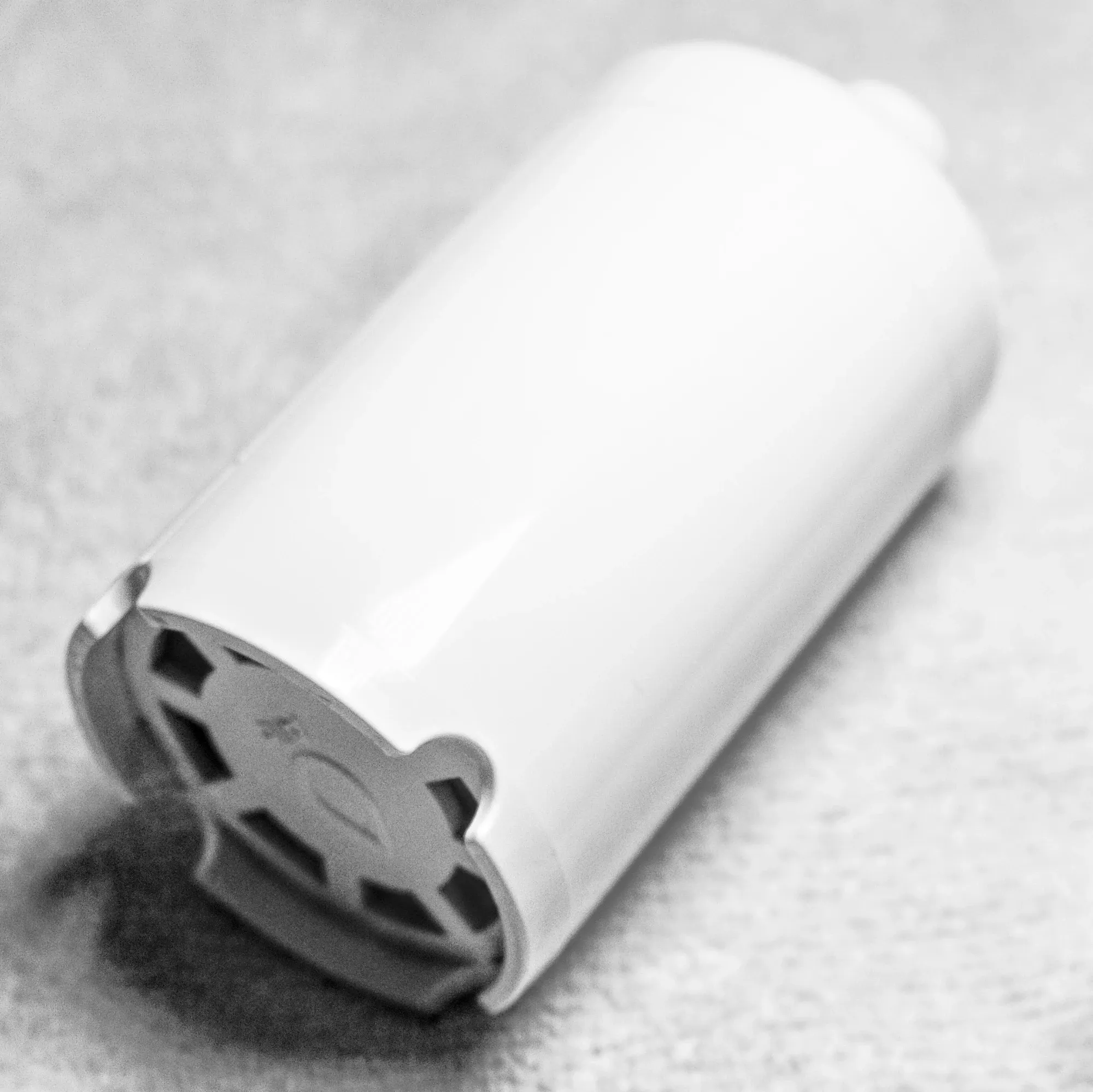
By passing the raw water through a 0.1 µm hollow-fiber UF-membrane first, you physically trap the intact cyanobacteria cells and the bulk of the organic biomass. While the pressure against the membrane will inevitably cause some cells to lyse and release dissolved toxins, the dangerous cellular material itself is completely isolated and kept out of the system.
Step 2: The Molecular Trap
The water leaving the UF stage is now perfectly clear of particles and cells, but it still contains the dissolved cyanotoxins. This "pre-cleaned" water now enters the GAC filter.
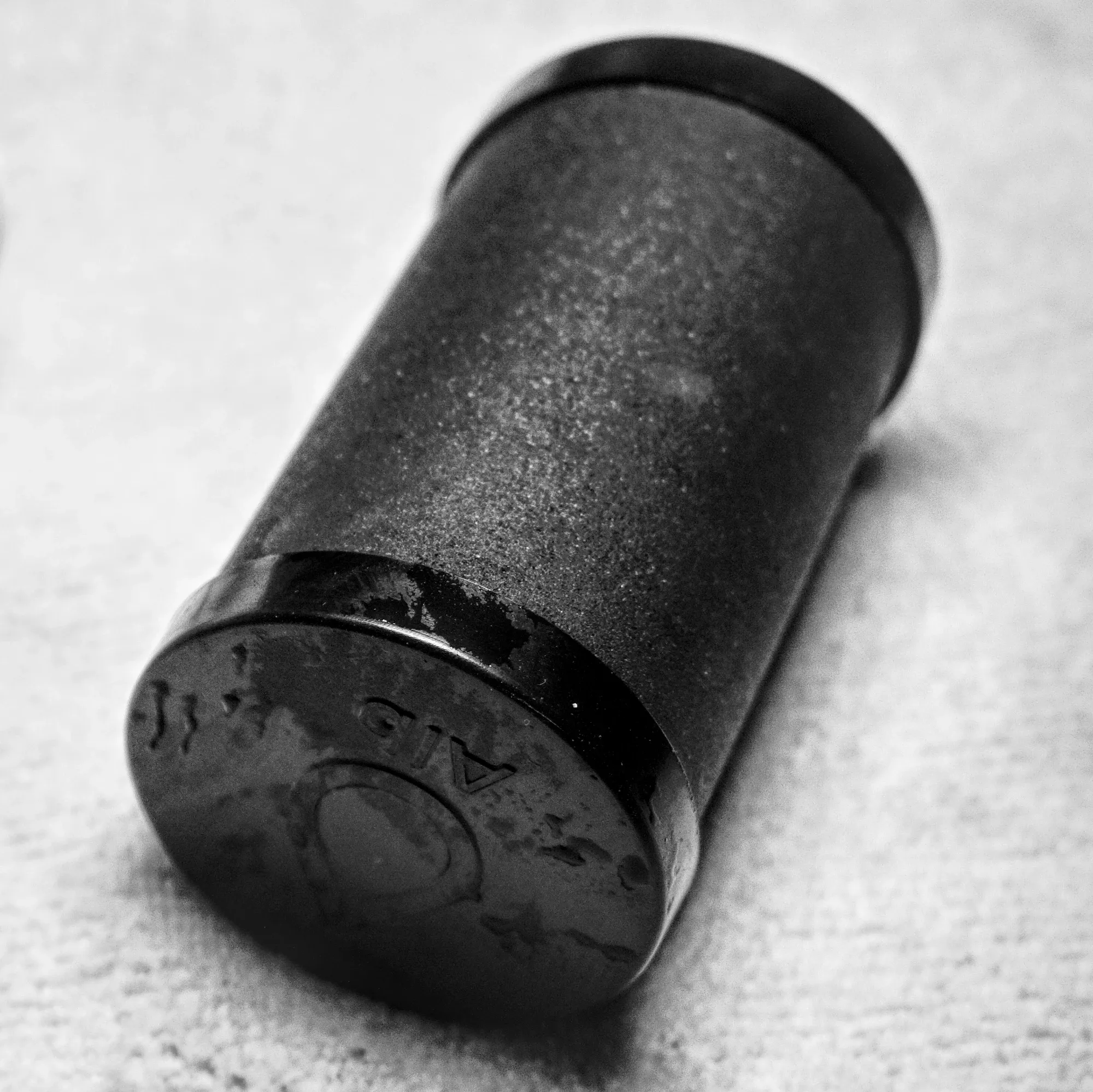
Because Microcystins are highly hydrophobic, they have an incredibly strong affinity for the surface of activated carbon. Instead of being strained mechanically, the toxins are bound at a molecular level through adsorption.
Because the UF membrane removed the heavy biomass beforehand, the GAC pores remain completely open and can utilize their full capacity exclusively to trap the dissolved toxins.
Deploy the Solution: The Pioneer Edition
If you are working with an NGO, an academic field team, or leading a remote expedition, you don't have to build this from scratch.
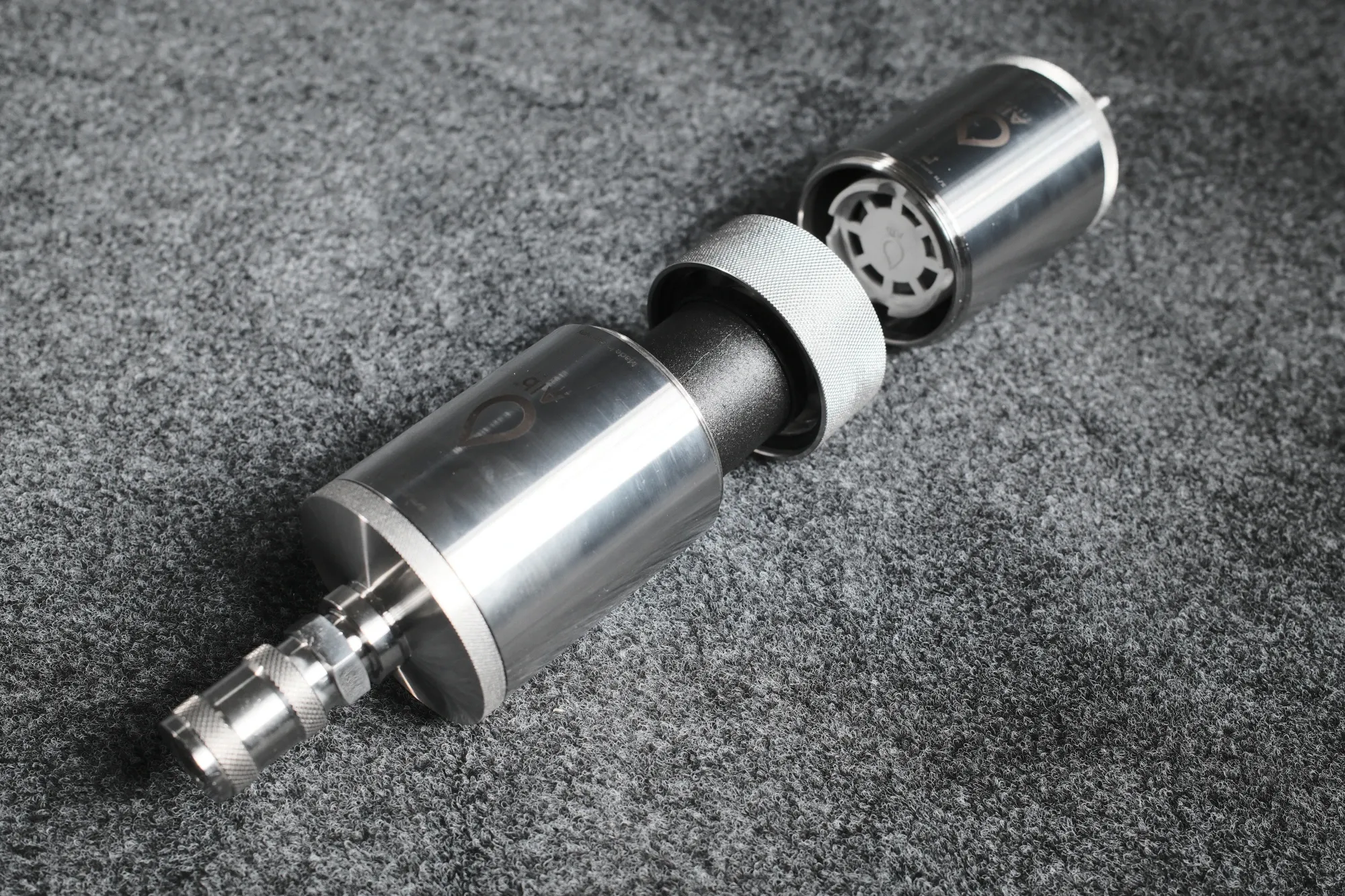
Our Pioneer Edition water purification system is specifically engineered to bring this advanced multi-barrier technology into the field in a rugged, deployment-ready form factor.
- Validated Security: Built strictly with the highly efficient UF → GAC sequence to tackle both micro-organisms and dissolved cyanotoxins.
- Modular Design: Easily swap or reconfigure filter stages for field testing, maintenance, or academic research parameters.
- Plug-and-Play: Engineered for rapid deployment in harsh environments, providing immediate safe drinking water to local communities.
Partner with us to secure your next field project.
Engineering for Flexibility in the Field
While the UF / GAC sequence is the gold standard for continuous field operations, a truly resilient decentralized system should feature a modular architecture.
In research scenarios or field testing, the ability to temporarily bypass or reconfigure the filtration sequence provides immense value. It allows field operators to adapt to local water matrices and optimize filter longevity based on real-time data.
Want to have your own?
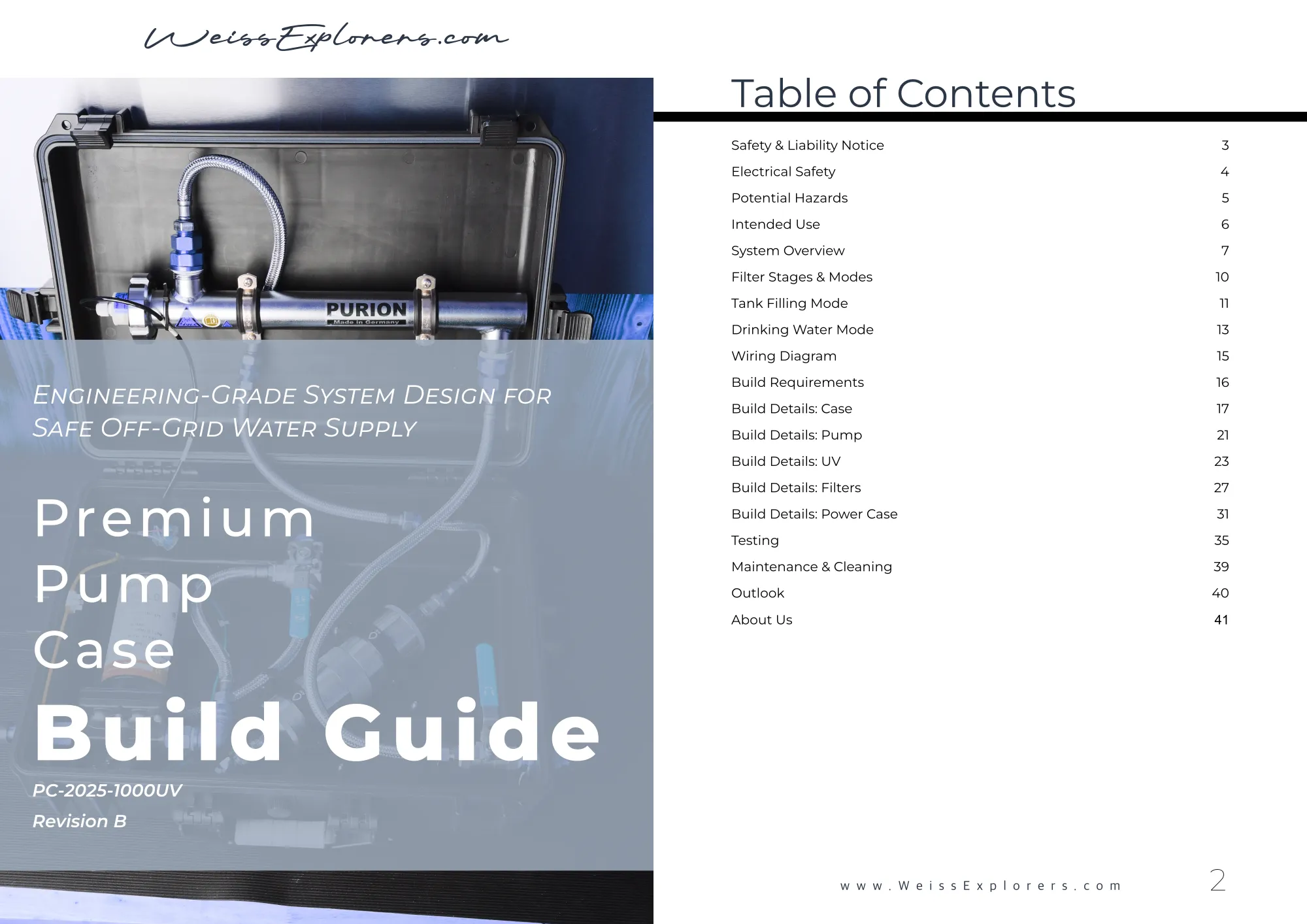
Looking to replicate this multi-barrier filtration sequence in your own projects or academic research? Get our official Water Purification Build Guide. It includes full step-by-step schematics, precise plumbing diagrams, and the exact Bill of Materials (BOM) to build a field-tested, modular system from scratch.
Conclusion
When dealing with harmful algal blooms, water filtration is not just about choosing the right components—it is about understanding the physics of adsorption and the biology of cell stress. Protecting vulnerable communities or supplying expeditions in remote regions requires a system that respects this order: Trap the cells mechanically, then absorb the toxins.