Update for 2027
What’s happened so far
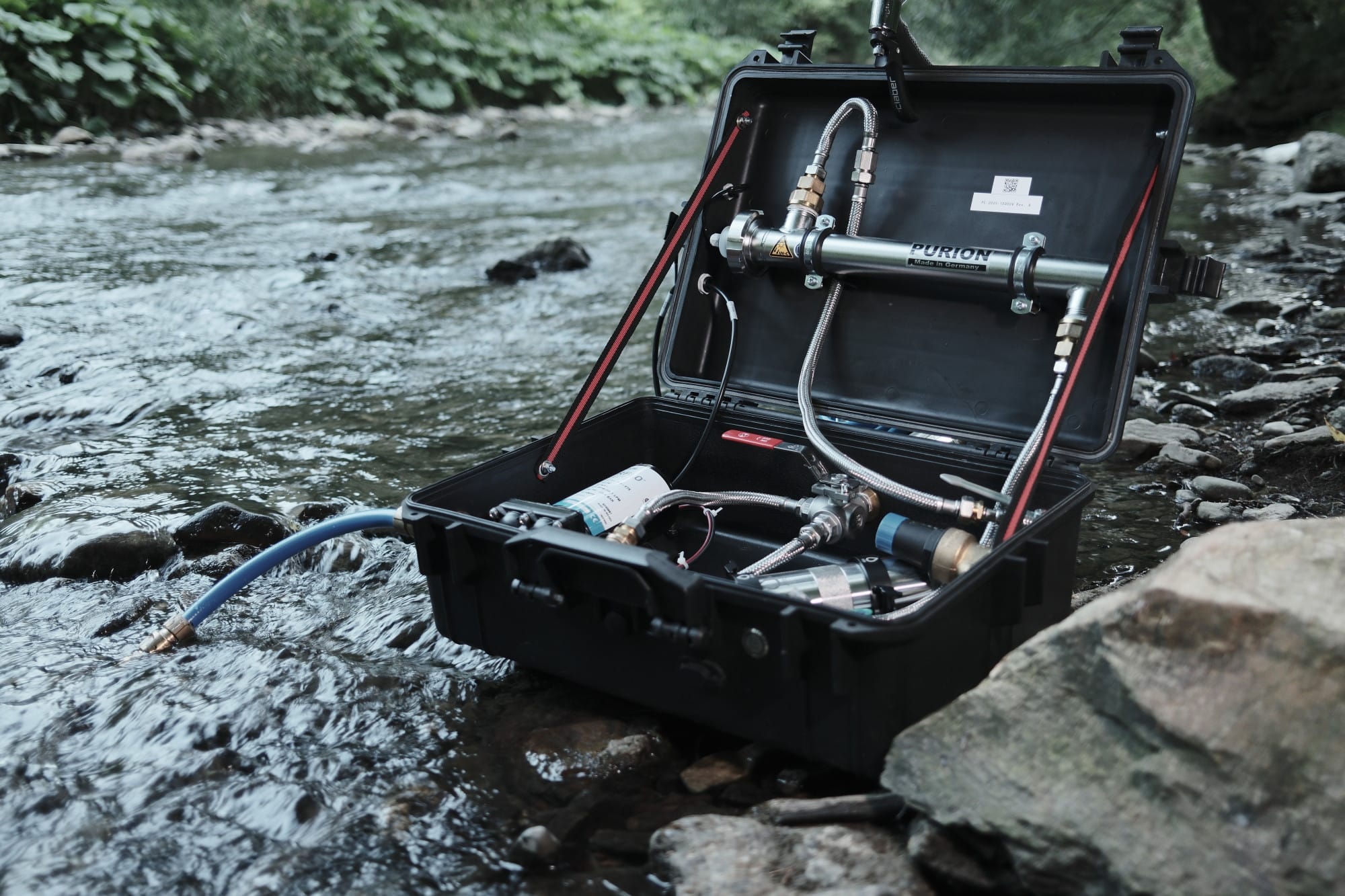
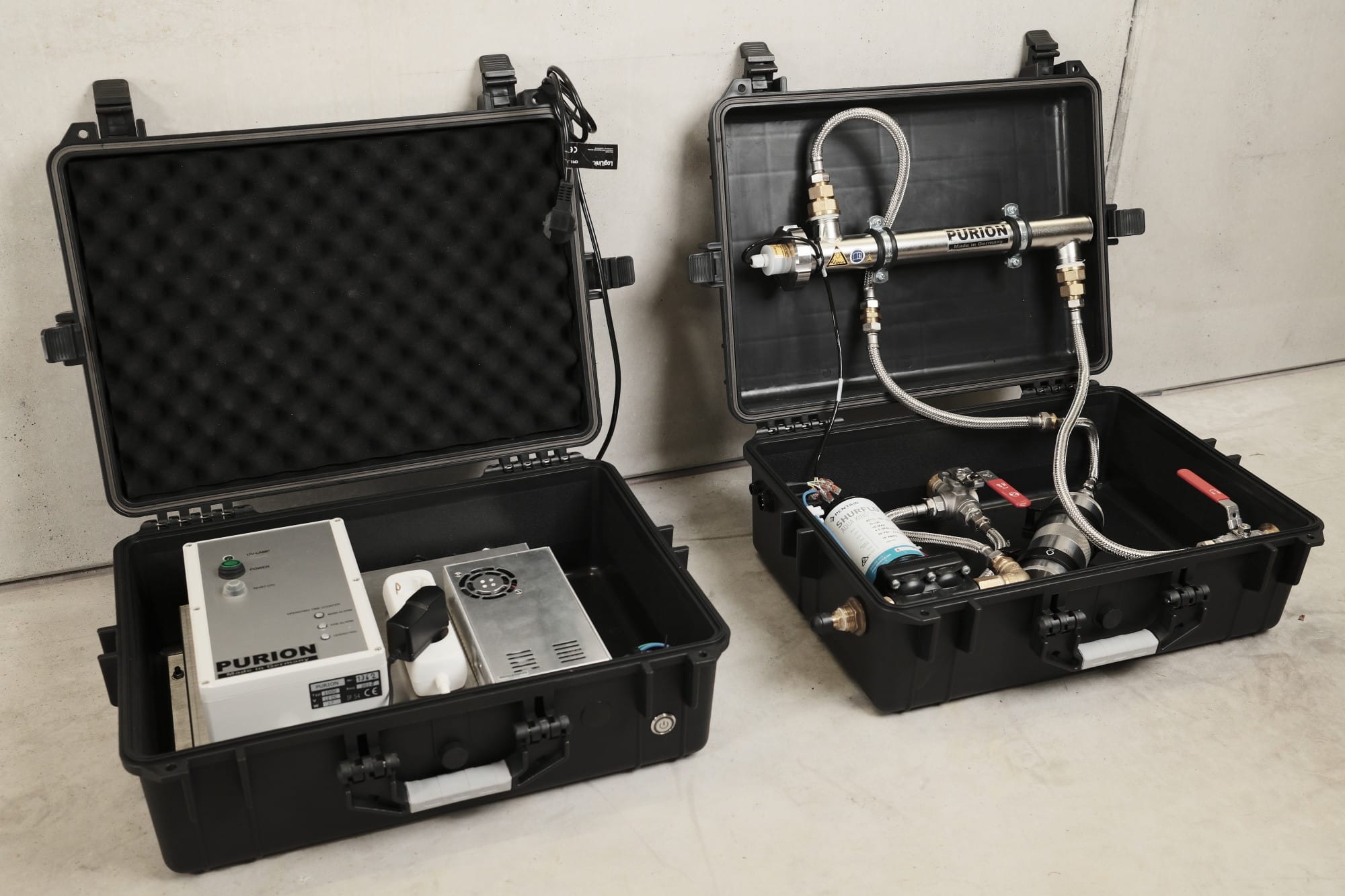
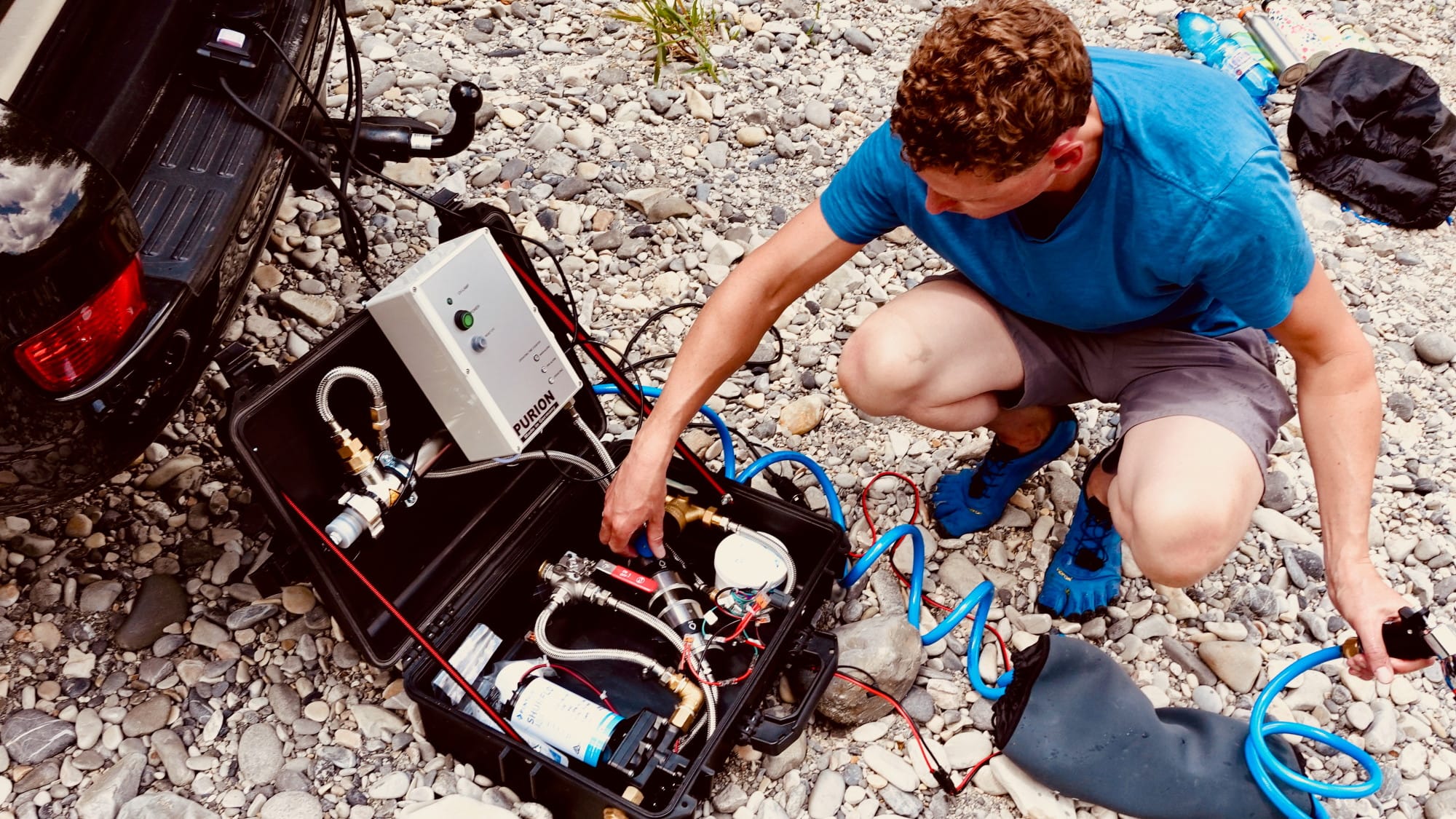
The Pump Case is my portable multi-stage water filtration system for off-grid travel. It turns water from streams, lakes or jerry cans into drinking water on the road. I got a lot done this year, I think! With Revision B, I took the 2025 Rev. A to a whole new level: the system is now much more robust and easier to maintain. The electronics now sit in a separate Power Case, and the cables between the cases are clean and waterproof. That keeps the sensitive electronics protected from water and dust.
... in comparison Revision A below:
Plans for 2027
In 2027, I’m focusing on two assemblies. They’re also the biggest cost drivers, together making up about two-thirds of the total cost: the UV-C unit and the central filtration unit.
A More Robust Filtration Unit with Higher Performance
The central filtration unit is too small for high flow rates and also very expensive. I also found a weak spot: the cartridges are only guided radially at one end and aren’t secured axially. Under strong vibration, on gravel roads for example, they can slip out. According to the manufacturer, the current Alb Filter cartridges last 3000 to 5000 liters, though that always depends heavily on the quality of the raw water.
Clicking this link will load the video from YouTube. This will result in data being transmitted to Google. Privacy Policy.
I want to test an alternative that holds the cartridge securely, costs less, and offers a much higher flow rate and capacity. After that, the whole system will go through a thorough lab test. That test will measure the LRV (Log Reduction Value), meaning how many orders of magnitude the system reduces pathogens by.
UV-C: Mercury Now, LEDs in the Future
The UV-C unit needs a large ballast for its mercury lamp, which takes up a lot of space and money in the Power Case. UV-C LEDs would be more compact and more efficient. But the standards for LEDs in drinking water treatment aren’t finished yet. The U.S. standard NSF/ANSI 55 Class A requires a dose of 400 J/m², a value that comes from the world of mercury lamps. In Europe, prEN 18380, a draft standard specifically for UV LED devices, has just been published. So for now I’m sticking with the proven mercury lamp while investigating LEDs in parallel, so I can switch once there’s a solid framework in place.
The Pioneer Edition
This winter, I’m hand-building the first Rev. B systems here in Styria: the Pioneer Edition. It’s meant for people who want to use the system in the field early on and give me regular feedback in return. I’ve been especially happy to see interest from the U.S. I take it seriously and am currently looking into whether and how I can ship there, because standards, liability and support across the Atlantic are no small matter for a small business. Until that’s settled, the Pioneer Edition ships within Europe.
What Comes Next
12 V vehicle power: A future revision will let the Pump Case run directly on the vehicle’s 12 V system. That means it can run on the car’s main battery, even with the alternator running (11 V - 14.4 V).
Manual operation: For emergencies, I’m adding a manual mode: you pump by hand, and only the UV-C unit runs on a battery.
Rainwater: Rainwater brings its own very specific treatment challenges. More on that soon in a separate post.
If you want to follow the development, subscribe to WeissExplorers. You’ll get updates on lab tests, new revisions and build guides straight to your inbox.